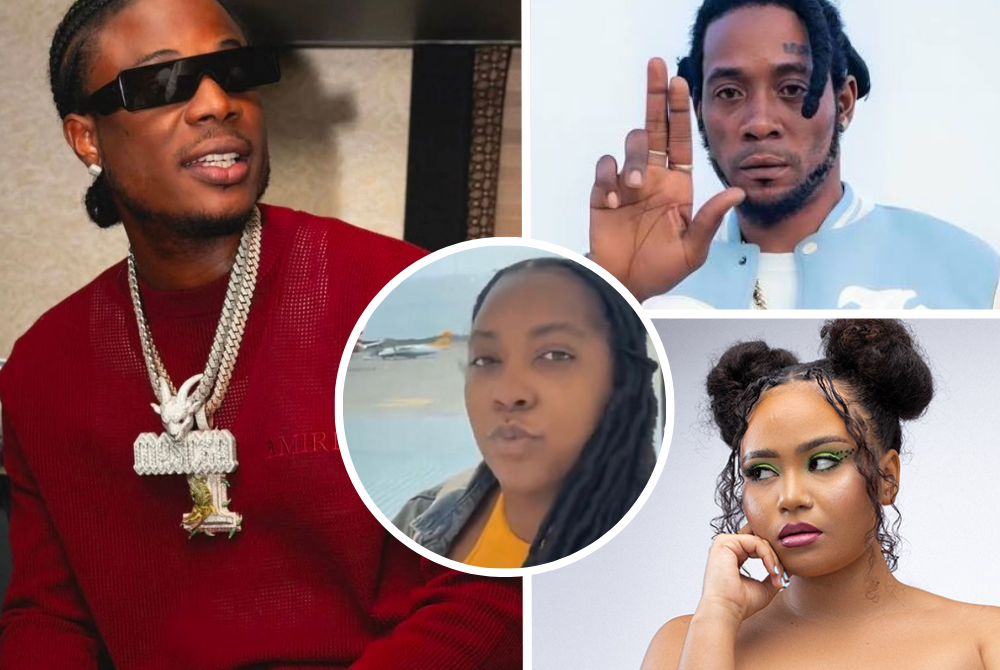
Dancehall artistes Masicka, Jamal and Moliy have all been pulled into an unexpected copyright dispute after a woman, Melissa Mais, claimed that she owns rights to several songs connected to them. The issue first gained attention after a number of Masicka’s tracks were reportedly removed from YouTube following a copyright complaint. The songs affected include “Scope,” “Rich Sex,” “Whites,” and “Mute.”
Mais has alleged that the songs were created by her while she was in custody in May 2023 and were later used without her permission. In a notice reportedly sent to music distributor ONErpm, she said she was the original creator of the material and that it had been released and commercially used without her authorisation. According to the document, the songs were written on May 4, 2023, while she was incarcerated.
Mais also claimed there was a verbal agreement that she would be compensated if the music was ever used. She further alleged that the song “Whites” was largely her work, saying she wrote most of the lyrics and melody and even contributed ideas for how the music video should be done.
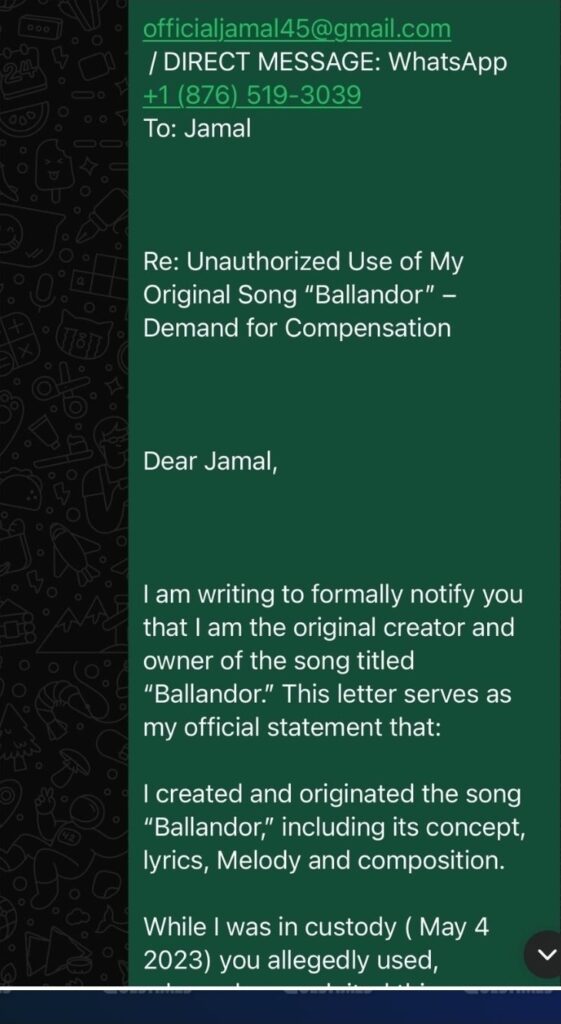
Her claims didn’t stop with Masicka. Mais later reached out to dancehall artiste Jamal, telling him she was the original creator of a song she referred to as “Ballandor.” In the message, she said she came up with the concept, lyrics and melody and demanded to be paid for its alleged use.
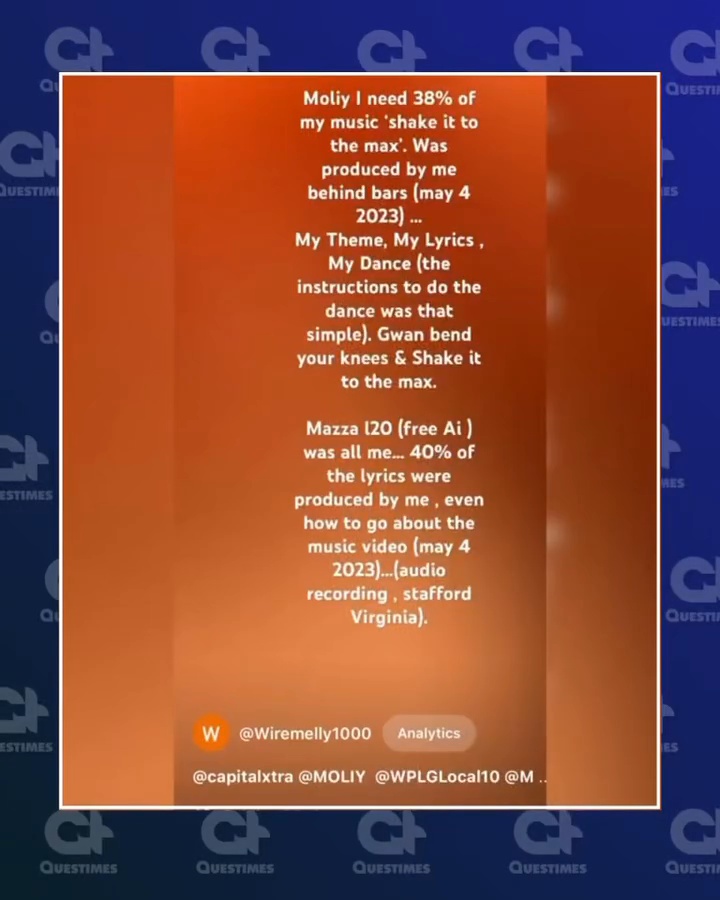
Singer Moliy was also mentioned in the claims. In posts shared online, Mais accused the artiste of using lines from material she created in the hit song “Shake It to the Max.” She said she should receive 38 per cent of the song, alleging that parts of the lyrics, the theme and even the dance instructions were developed by her while she was behind bars.
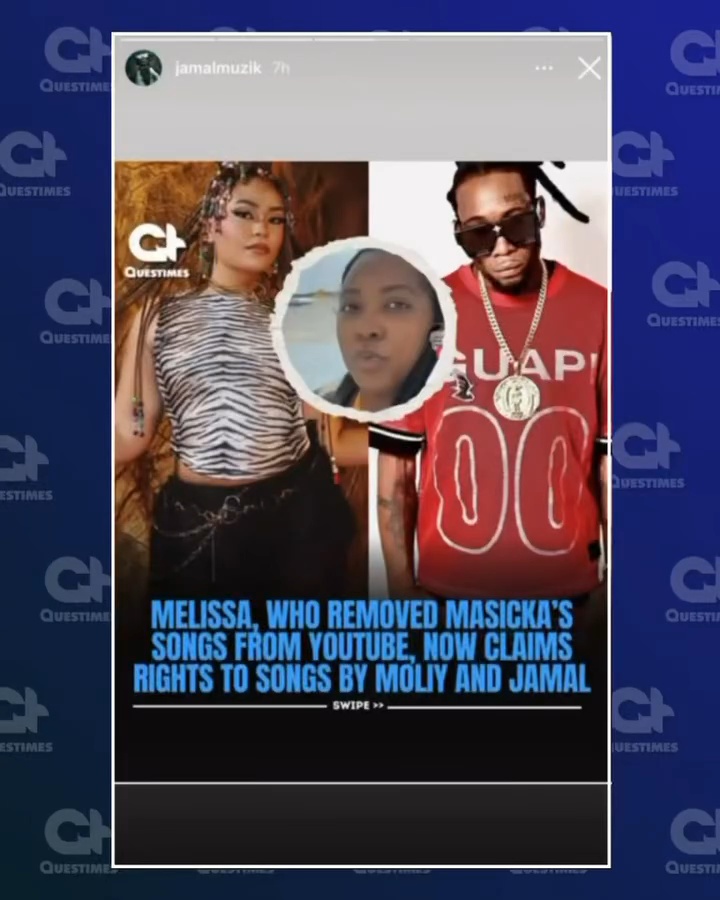
The artistes named in the claims have since responded. Jamal responded to the situation, sharing a video of Vybz Kartel speaking about mental health in Jamaica. In the clip, Kartel talks about how the topic is often avoided or treated like something people shouldn’t discuss. He encouraged people to check in on each other, pointing out that while many people seem fine on the outside, they may actually be dealing with struggles privately.
Masicka later addressed the claims in a statement posted on social media. The dancehall artiste, whose real name is Javaun Fearon, said he was aware that several of his songs had been taken down from YouTube following the copyright complaint, but made it clear that he does not agree with the allegations.
He maintained that every song released under his name was written by him and put out through the proper channels. Masicka added that his legal team and distribution partners are currently looking into the matter and taking steps to have the music restored.
He also noted that situations like this can sometimes happen because of automated copyright systems online, which may temporarily remove content when a claim is submitted.
