
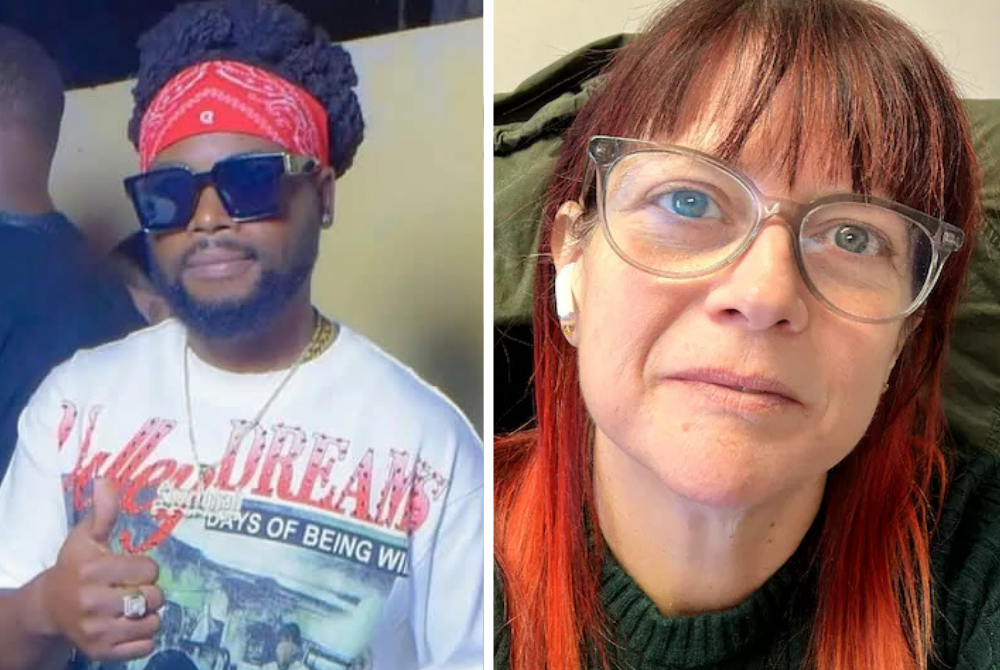
Dancehall artiste Short Gad has been named in a multi-million dollar lawsuit in Canada, where a former finance director is accused of funnelling millions through TikTok. According to the lawsuit, a portion of the funds allegedly ending up in his accounts.
The case involves Melanie Desjarlais, a Winnipeg-based former financial director for a First Nations non-profit organisation, who is being sued over claims that she misappropriated more than US$6 million intended for Indigenous environmental programmes.
According to court documents, Desjarlais allegedly carried out a series of unauthorised transactions over several months, with investigators pointing to TikTok as a major channel used to move the funds.
Short Gad, whose real name is Conrad Williams, is specifically identified in the filings as a recipient of some of the money. The documents allege that more than US$750,000 was sent directly to him through PayPal, while an estimated US$5 million was spent on TikTok, largely through the purchase of virtual “coins” used to send gifts to creators during livestreams.
Those gifts can later be converted into cash, and the lawsuit suggests this system may have been used to transfer large sums of money discreetly. Short Gad is widely recognised as one of the top-ranking TikTok earners in Jamaica, known for receiving heavy support during his livestream sessions.
There are also allegations of a personal relationship between Desjarlais and Williams. Court filings reference messages attached to some of the payments, including notes such as “Happy early birthday!” and another reading, “This is the last payment… Love you and I’m sorry for everything,” which have fueled speculation online.
The lawsuit also accuses Desjarlais of using the organisation’s funds to support a lavish lifestyle, including international travel. Records reportedly show that she travelled to Jamaica on at least two occasions, further linking the case to the entertainer.
Meanwhile, the fallout in Canada has been significant. The non-profit claims its accounts were nearly drained, leaving dozens of Indigenous programmes without funding. The federal government has since stepped in to take over distribution of the funds. Meanwhile, legal action is ongoing to recover the missing money.